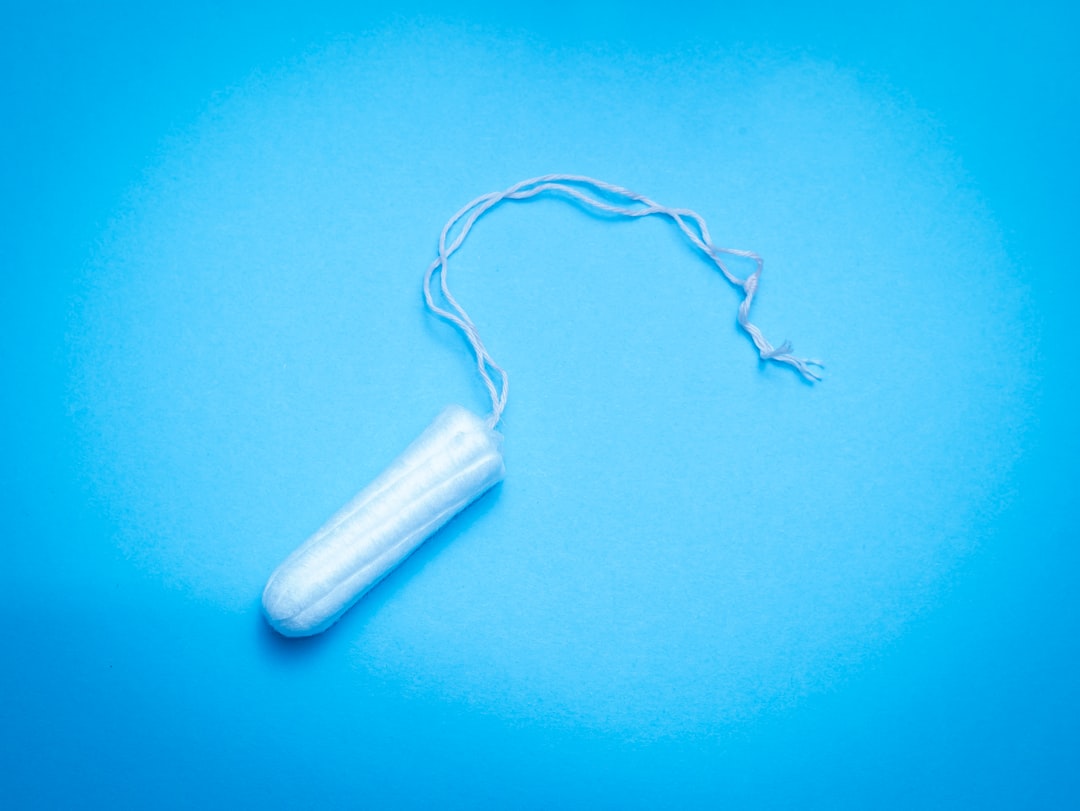
The Hidden Dangers in Tampons: What Every Woman Should Know
Tampons are one of the most commonly used menstrual products in the world — with an estimated 12,000 tampons used over an average woman's lifetime. For most of us, reaching for a tampon is as automatic as brushing our teeth. But in recent years, a growing body of scientific research has uncovered something troubling: the tampons many of us use every month may contain hidden chemicals and heavy metals that could pose real risks to our health.
This article breaks down what the science says in plain language, what symptoms to watch for, and most importantly — what you can do to protect yourself. Because when it comes to your health, knowledge is power.
~12,000 Tampons used in an average lifetime 100% Of 30 brands tested contained detectable heavy metals (UC Berkeley, 2024) 22% Of tampons tested showed PFAS indicators (Mamavation study) 🧪
The Heavy Metal Problem
In 2024, researchers from UC Berkeley and Columbia University conducted the first comprehensive study measuring 16 different metals in 30 tampon brands. Their finding? Detectable levels of toxic heavy metals — including lead, arsenic, cadmium, and mercury — were present in every single product tested. Concentrations varied between brands and between conventional and organic products, but none were entirely free of concern.
What Are Heavy Metals?
Heavy metals are naturally occurring elements with high densities. Some, like iron and zinc, are actually essential to our health in tiny amounts. But others — specifically lead, mercury, cadmium, and arsenic — are toxic even at very low levels and can silently accumulate in the body over time.
How Do They Get Into Tampons?
Contaminated Cotton
Cotton plants readily absorb heavy metals from polluted soil and irrigation water during farming.
Manufacturing Processes
Industrial machinery, dyes, and packaging materials used during production can introduce metals.
Bleaching Agents
Whitening treatments applied to cotton or rayon fibers can introduce chemical contaminants.
Environmental Exposure
Raw materials can be exposed to heavy metal-laden environments throughout the supply chain.
The Four Heavy Metals of Greatest Concern
Lead
- Neurological damage
- Developmental delays
- Reproductive harm
- No safe exposure level
Mercury
- Nervous system damage
- Kidney impairment
- Immune dysfunction
- Hormonal disruption
Cadmium
- Kidney damage
- Bone weakening
- Linked to cancer
- Builds up over years
Arsenic
- Skin lesions
- Cardiovascular disease
- Increased cancer risk
- Hormone interference
Why vaginal exposure matters: The vaginal lining is made of highly permeable mucous membrane tissue — meaning it can absorb substances directly into the bloodstream far more efficiently than skin. This makes prolonged tampon contact a uniquely significant route of exposure compared to many other products.
Other Hidden Chemicals: PFAS, Dioxins VOCs
Heavy metals are only part of the picture. Research has identified several other classes of chemicals found in tampons and menstrual products.
PFAS — "Forever Chemicals"
Per- and polyfluoroalkyl substances (PFAS) are a family of synthetic chemicals nicknamed "forever chemicals" because they do not break down in the environment or in the human body. They can accumulate over a lifetime and are linked to cancer, immune suppression, hormonal disruption, and reproductive harm.
A study by the consumer watchdog group Mamavation found PFAS indicators in approximately 22% of tampons tested — including some products marketed as "natural" or "organic." In 2025, scientists tested over 100 menstrual products and found fluorine (a PFAS marker) in several items, though most tampon cores had low or undetectable levels.
Regulatory Action: At least nine U.S. states — including California, Colorado, Maine, Minnesota, Vermont, and New York — have passed or are finalizing laws banning intentionally added PFAS in menstrual products, taking effect between 2025 and 2028.
Dioxins — A Bleaching Byproduct
Dioxins are toxic chemical byproducts created when rayon (a synthetic fiber used in many tampons) is produced from wood pulp using chlorine bleaching. Dioxins are classified as known carcinogens and are linked to endocrine (hormone) disruption.
Because tampons rest against permeable vaginal tissue for hours at a time, even trace amounts of dioxin accumulate meaningfully — especially over 12,000+ lifetime uses, as Dr. Philip Tierno, director of clinical microbiology at NYU, has pointed out.
Volatile Organic Compounds (VOCs)
A 2025 study estimated that volatile organic compounds — chemicals that vaporize quickly and are found in fragrances, adhesives, and other product components — can be absorbed through the vaginal mucosa. Scented tampons are a particular concern in this category.
Pesticide Residues
Conventional (non-organic) cotton is one of the most heavily pesticide-sprayed crops in the world. Residues from herbicides and insecticides may remain in the finished product.
Health Risks at a Glance
Chronic, low-level chemical exposure through tampon use is a relatively new area of research, and more studies are needed. However, based on what is known about these substances from other routes of exposure, potential long-term health concerns include:
Neurological Effects
Prolonged heavy metal exposure is linked to cognitive decline, memory issues, and nerve damage.
Reproductive Health
Heavy metals and PFAS can interfere with hormonal balance, fertility, and menstrual regularity.
Immune Suppression
Both heavy metals and PFAS are known to weaken the immune system over time.
Cancer Risk
Dioxins, arsenic, cadmium, and PFAS are all classified as probable or known carcinogens.
Kidney Liver Damage
Cadmium and mercury in particular are hard on the kidneys and can cause lasting organ damage.
Cardiovascular Disease
Arsenic and lead exposure are both associated with higher rates of heart disease over time.
Important Context: As of 2024, the FDA's review found "no clear evidence of health risks" from tampon contaminants at current exposure levels — but also emphasized major gaps in existing research. The FDA's own laboratory testing was still ongoing as of 2025. This does not mean there is no concern; it means more research is urgently needed. 🚨
Toxic Shock Syndrome (TSS)
Beyond chemical contamination, tampons carry a well-established risk: Toxic Shock Syndrome (TSS). TSS is a rare but life-threatening bacterial infection that became publicly associated with tampon use in the 1980s when high-absorbency products were linked to outbreaks.
What Is TSS?
TSS occurs when bacteria — most commonly Staphylococcus aureus or Group A Streptococcus — produce toxins that enter the bloodstream and trigger a severe whole-body immune response. It can cause organ failure and death if not treated quickly.
Today, the estimated incidence is fewer than 1 in 100,000 people in the United States — making it rare but not impossible. It is most common in younger women who use super-absorbency tampons.
Seek Emergency Care Immediately If You Experience:
- Sudden high fever (above 102°F / 39°C)
- Dangerously low blood pressure
- A rash resembling a sunburn (especially palms and soles)
- Vomiting or diarrhea
- Severe muscle aches
- Redness of eyes, mouth, or throat
- Confusion or dizziness
- Organ failure signs (decreased urination)
How Is TSS Treated?
TSS is treated in a hospital with intravenous antibiotics, fluids, and supportive care. Early recognition is the single most important factor in survival and recovery. If you are wearing a tampon and develop any of the above symptoms, remove it immediately and go to the nearest emergency room.
⚠️ Important: If you have previously had TSS or a serious staph or strep infection, the FDA and medical experts recommend you do not use tampons going forward. ✅
How to Use Tampons More Safely
If you choose to continue using tampons, these evidence-based steps can meaningfully reduce your risk of TSS and minimize chemical exposure:
- Choose the Lowest Absorbency That Works for You Higher-absorbency tampons carry a greater TSS risk. Use the minimum absorbency needed for your flow on any given day.
- Change Tampons Every 4–8 Hours Never leave a tampon in for more than 8 hours. This is one of the most important rules for TSS prevention, per the FDA.
- Don't Sleep With a Tampon In Use a pad or period underwear overnight. Sleeping longer than 8 hours with a tampon raises TSS risk significantly.
- Alternate With Pads or Liners Rotating between tampons and other products during your period gives vaginal tissue a break from prolonged exposure.
- Wash Hands Before Insertion and Removal Clean hands prevent the introduction of bacteria. This is a simple step that is frequently overlooked.
- Choose Organic, Unscented Cotton Tampons 100% organic cotton tampons reduce exposure to pesticide residues, synthetic fibers, dioxins from chlorine bleaching, and added fragrances. Look for brands certified by MADE SAFE or similar organizations.
- Never Use Tampons When Not Menstruating Tampons should only be worn during your period — not as daily discharge management or before your period starts.
Safer Alternatives to Consider
For those who want to reduce chemical exposure further, several well-researched alternatives exist. Here's an honest overview:
| Product | Chemical Risk | TSS Risk | Notes |
|---|---|---|---|
| Conventional Tampons | Moderate–High | Low–Moderate | Contain rayon, bleached fibers, potential PFAS/metals |
| Organic Cotton Tampons | Lower | Low | Fewer pesticides & dioxins; still need research on metals |
| Menstrual Cups (Silicone) | Very Low | Very Low | No fluorine detected in testing; 100% medical-grade silicone best |
| Menstrual Discs | Low | Very Low | Silicone or medical polymer; fewer chemical concerns |
| Reusable Cloth Pads | Low | Very Low | Eco-friendly; check for PFAS-free certification |
| Period Underwear | Varies | Very Low | 65% of products tested showed PFAS indicators — choose carefully |
| Disposable Pads | Moderate | None | No internal contact; PFAS found in 48% tested, per Mamavation |
💡 Best Option for Reducing Exposure: Menstrual cups made from 100% medical-grade silicone are currently the best-studied low-chemical option. The only study that specifically tested menstrual cups for PFAS found no detectable fluorine. They also eliminate the tampon-related TSS risk when used correctly.
Should You Get Tested for Heavy Metal Exposure?
If you are concerned about cumulative heavy metal exposure from years of tampon use — especially if you have been using conventional products — speaking with your doctor about testing is a reasonable step. Heavy metal testing can help identify elevated levels early, before they cause significant organ damage.
What Does Testing Involve?
Heavy metal testing can be done through blood, urine, or hair analysis depending on the metals of concern. Some providers also offer rapid, non-invasive scanning technologies that can detect certain metals quickly and painlessly.
Who Should Consider Testing?
You may want to discuss heavy metal screening with your healthcare provider if you have used conventional tampons for 10+ years, have unexplained fatigue, cognitive fog, or hormonal issues, are planning a pregnancy, or have concerns about occupational or environmental exposure on top of product exposure.
At Vital Health IM
At our clinic, we offer a quick, non-invasive scan that can determine the presence of heavy metals in as little as 2 seconds. This painless test provides immediate results and gives you the information you need to make informed decisions about your health — without guesswork. Contact us to request your scan.
Take Control of Your Health Today
Early detection of heavy metal exposure allows for timely intervention and prevention of long-term health issues. Our fast, painless scan gives you answers in seconds.
Request Your Heavy Metal Scan ⚡ Results in 2 seconds 💉 Non-invasive painless 🔬 Advanced detection technology 👩⚕️ Doctor-reviewed results 📌
Key Takeaways
- ✓ A 2024 UC Berkeley study found detectable heavy metals (including lead, arsenic, and cadmium) in every one of 30 tampon brands tested.
- ✓ PFAS ("forever chemicals"), dioxins, and volatile organic compounds have also been detected in conventional tampons and other menstrual products.
- ✓ The vaginal lining is highly permeable — making chemical absorption from tampons a significant concern over a lifetime of use.
- ✓ Toxic Shock Syndrome (TSS), while rare ( 1 in 100,000), remains a real risk and requires emergency treatment. Know the symptoms.
- ✓ If you use tampons: choose the lowest absorbency, change every 4–8 hours, never sleep with one in, and opt for unscented organic cotton when possible.
- ✓ Menstrual cups made from 100% medical-grade silicone appear to be the lowest-chemical alternative currently available.
- ✓ If you are concerned about cumulative exposure, speak with your doctor about heavy metal testing — especially if you have used conventional products for many years.
- ✓ Regulatory change is underway: nine U.S. states have already passed laws restricting PFAS in menstrual products, with more expected.
Sources Further Reading
- Feste, J. MD. The Hidden Dangers in Tampons: Why You Should Be Concerned About Heavy Metals. Vital Health IM, April 2025.
- University of California, Berkeley / Columbia University. (2024). Heavy metal study of 30 tampon brands. University of Colorado summary, 2026
- The Conversation. (2024). Menstrual pads and tampons can contain toxic substances.
- U.S. Food & Drug Administration. The Facts on Tampons — and How to Use Them Safely.
- National Center for Health Research. Tampon Safety.
- Mayo Clinic. Toxic Shock Syndrome — Symptoms & Causes.
- Cleveland Clinic. Toxic Shock Syndrome (TSS): Causes, Symptoms & Treatment.
- Environmental Working Group. (2024). States Lead the Way to Make Menstrual Products Safer.
- Petrie-Flom Center, Harvard Law. (2024). Legal Responses to the Potential Dangers of Menstrual Products.
- MADE SAFE. Product Profile: Period Products.
- University of Utah Health. (2026). Protect Your Health by Avoiding Toxic Shock Syndrome.
- NIH / StatPearls. Toxic Shock Syndrome.